
There are no items in your cart
Add More
Add More
| Item Details | Price | ||
|---|---|---|---|
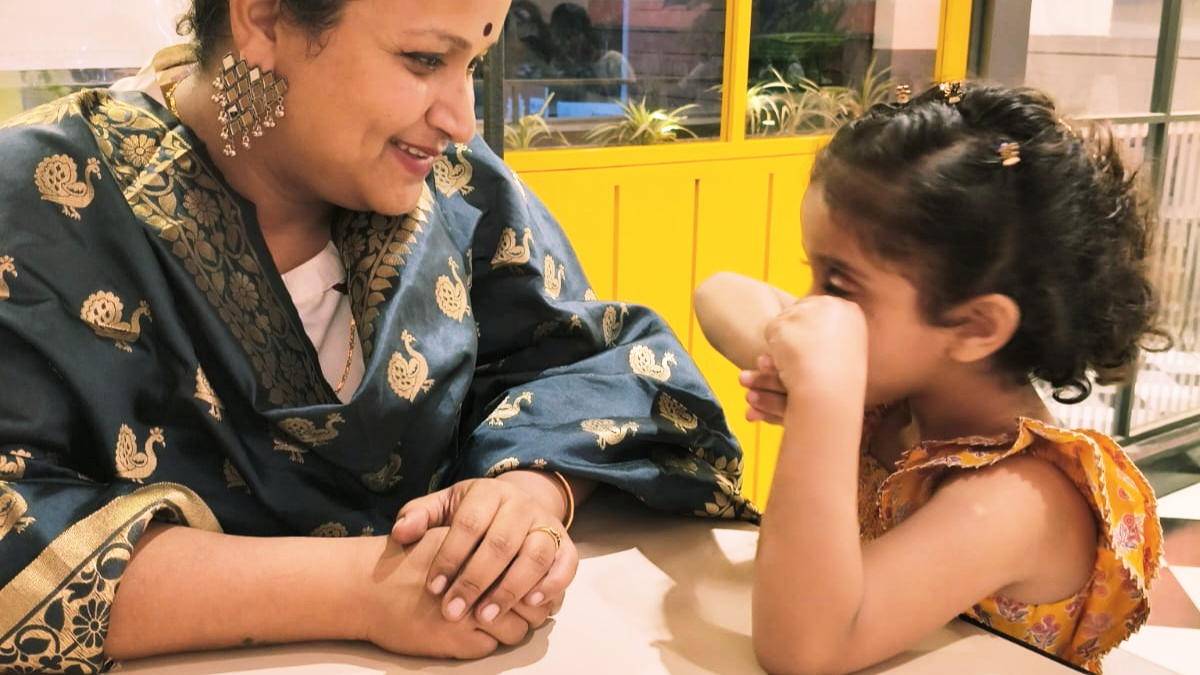
A few days ago, my five-year-old watched a cartoon where the moment someone faced a problem, they called for help and a superhero jumped right in and fixed everything. Cute storyline… until I started noticing the ripple effect. (Yes, I give my child screen time! Please continue reading without judging me.)She suddenly started telling me every tiny issue she encountered. As a parent, it felt good at first. I got to step in, protect, and smoothen the day. I even felt useful and my daughter felt cared for (I guess!). Little did I know that comfort can also mask dependency.
One afternoon, while I was working, she said, “Mumma, I’m thirsty.” Usually, she just grabs her bottle. This time, she waited. I handed it to her and moved on. The next day, she asked me to open the wrapper of a play-dough box she has opened a hundred times before. The tone was polite and extremely loving: “Mumma, I can’t open this box, can you please help me?” (Note that this is not her usual tone, and she is still learning to frame grammatically correct sentences on her own in the language she used!) This extra politeness rang a bell in my head. She was copying the cartoon’s dialogue with the same structure and tone. She had misunderstood that problems didn’t require an attempt. They required a 'call for help'.
Once I understood the pattern, I started nudging her back to try herself first. Slowly, she returned to her original independence, like adjusting the fan regulator on her own if she felt cold, managing her toys and opening the chocolate wrapper on her own.
This experience reminded me of something I learned during my Veda reading classes. The Vedas say that our strength is already within us and help arrives only after our own effort begins. Even in mythological stories, deities don’t reward passivity. They help those who choose to help themselves. The Rigveda repeatedly emphasizes Puruṣakāra (reward), the fact that human effort must come first before divine support aligns. In many hymns, Indra responds to the Rishis (saints) only after they begin their own striving, whether through tapas, action, or intent. In short, strength is activated through efforts. Today’s superhero shows show a different story. Someone else jumps in with extraordinary superpowers, sending the message that power lives outside you. But the Vedic view states that the first superhero is the self. Avoiding responsibility doesn’t have the power to protect you, but it certainly has the power to delay your growth.
Our brains build capability mostly through effort and rarely through assistance. When a child keeps attempting small tasks or solves a problem on their own, their problem-solving capabilities develop for the future challenges. But if every small problem is outsourced to a parent, the brain skips the effort–reward cycle that builds resilience. This is why kids who don’t get the opportunity to tie their own shoelaces early, often struggle with bigger frustrations later in life. Even teens whose parents keep solving their problems, they often avoid tough conversations as adults. In fact, we as adults are no different!
Think about adults who wait for their spouse to handle basic life admin, call IT for every minor laptop freeze instead of restarting, ask their boss for solutions before trying anything, or avoid decisions because they want someone else to validate them. This is often the conditioning they received.
This superhero expectation also shows up in our work lives. Remember the time your team member said, “I’m stuck,” and you instantly stepped in? Or when a client presentation was not going as expected and you decided to take over? Or when a team member kept missing deadlines, you did the work yourself because it was faster?
These gestures often feel helpful and supportive in the moment. But in reality, you’ve just taught someone to wait or call for rescue. You get team members who hesitate to try, fear mistakes, or escalate every small issue. Leaders become overwhelmed because they’re carrying responsibilities that were never theirs.
My daughter reminded me that dependency can often start in subtle ways that you barely notice, and it can even be beautified with politeness and good intentions. The same patterns play out in adults, teams, relationships, and leadership. Maybe the real heroes aren’t the ones who rush in to save others, but the ones who teach them to save themselves.
If we can notice these shifts early, in our kids and in adults; we can raise more confident children and build more capable teams. And that’s a win worth aiming for.
Now your turn: where in your life are you waiting for a superhero, and what would happen if you tried taking the first step yourself?

 Launch your Graphy