
There are no items in your cart
Add More
Add More
| Item Details | Price | ||
|---|---|---|---|
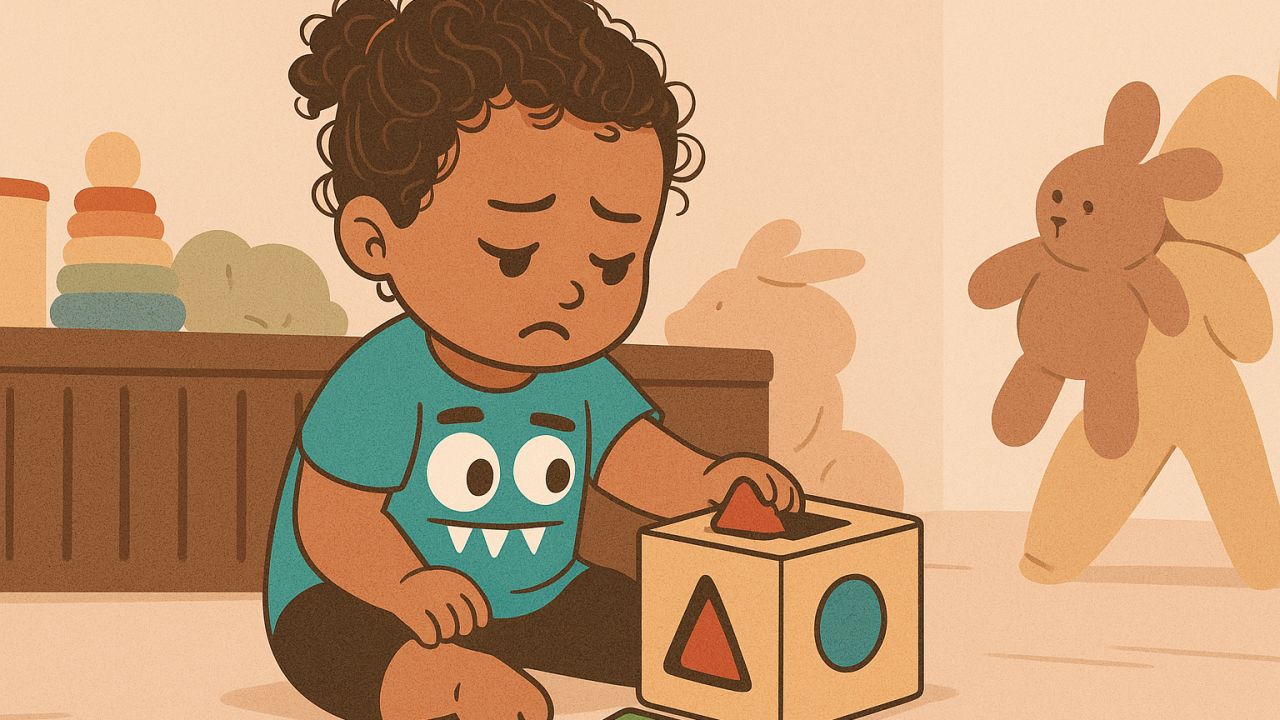
Last weekend, I was going through old videos of my daughter on Google Photos when one clip caught my attention.
There sat my 2.5-year-old on the floor with a puzzle cube - flipping it over, experimenting with different shapes, 𝐚𝐭𝐭𝐞𝐦𝐩𝐭𝐢𝐧𝐠 to fit the pieces together. There was 𝐜𝐮𝐫𝐢𝐨𝐬𝐢𝐭𝐲 in her eyes. You could see her concentrating. Soon, however, 𝐜𝐨𝐧𝐟𝐮𝐬𝐢𝐨𝐧 crept in. She tried again rotated them, pressed harder. 𝐁𝐮𝐭 𝐧𝐨𝐭𝐡𝐢𝐧𝐠 𝐰𝐨𝐫𝐤𝐞𝐝.
Then came the 𝐟𝐫𝐮𝐬𝐭𝐫𝐚𝐭𝐢𝐨𝐧. She frowned, sighed and after a few more failed attempts… she gave up. Threw the pieces aside and 𝐰𝐚𝐥𝐤𝐞𝐝 𝐚𝐰𝐚𝐲.
To the device that recorded her, she just "𝒊𝒏𝒕𝒆𝒓𝒂𝒄𝒕𝒆𝒅 𝒘𝒊𝒕𝒉 𝒕𝒉𝒆 𝒄𝒖𝒃𝒆, 𝒇𝒂𝒊𝒍𝒆𝒅 𝒂𝒏𝒅 𝒕𝒉𝒆𝒏 𝒈𝒂𝒗𝒆 𝒖𝒑." But I’m her mother - I know her heart, her spirit and could read the little shifts in her expression that spoke volumes. What others might see as failure, I saw it as a journey:
And it made me pause.
𝐁𝐞𝐜𝐚𝐮𝐬𝐞 𝐈’𝐯𝐞 𝐟𝐞𝐥𝐭 𝐭𝐡𝐚𝐭 𝐩𝐚𝐭𝐭𝐞𝐫𝐧 𝐛𝐞𝐟𝐨𝐫𝐞. 𝐀𝐧𝐝 𝐈 𝐤𝐧𝐨𝐰 𝐬𝐨 𝐦𝐚𝐧𝐲 𝐠𝐫𝐨𝐰𝐧-𝐮𝐩𝐬 𝐰𝐡𝐨 𝐜𝐨𝐧𝐭𝐢𝐧𝐮𝐞 𝐭𝐨 𝐥𝐢𝐯𝐞 𝐢𝐭 - 𝐬𝐨𝐦𝐞𝐭𝐢𝐦𝐞𝐬 𝐨𝐧 𝐚 𝐝𝐚𝐢𝐥𝐲 𝐛𝐚𝐬𝐢𝐬.
We assume that disengagement is an act of disinterest or laziness. But really, it's often the result of a slow emotional depletion that occurs before we leave.
We often talk about frustration tolerance. Our ability to sustain in the face of difficulty. 𝐁𝐮𝐭, 𝐰𝐡𝐞𝐧 𝐜𝐡𝐚𝐥𝐥𝐞𝐧𝐠𝐞 𝐞𝐱𝐜𝐞𝐞𝐝𝐬 𝐜𝐚𝐩𝐚𝐜𝐢𝐭𝐲 𝐰𝐢𝐭𝐡𝐨𝐮𝐭 𝐬𝐮𝐩𝐩𝐨𝐫𝐭, 𝐭𝐡𝐞 𝐟𝐫𝐮𝐬𝐭𝐫𝐚𝐭𝐢𝐨𝐧 𝐤𝐞𝐞𝐩𝐬 𝐛𝐮𝐢𝐥𝐝𝐢𝐧𝐠 𝐮𝐩 𝐮𝐧𝐭𝐢𝐥 𝐝𝐢𝐬𝐞𝐧𝐠𝐚𝐠𝐞𝐦𝐞𝐧𝐭 𝐟𝐞𝐞𝐥𝐬 𝐥𝐢𝐤𝐞 𝐭𝐡𝐞 𝐨𝐧𝐥𝐲 𝐨𝐩𝐭𝐢𝐨𝐧.
This doesn’t just happen to children. It happens to employees struggling to meet vague expectations. To leaders trying to drive change without clarity. To people navigating grief, burnout, uncertainty. Disengagement is not always a choice. Sometimes, it’s a response to feeling stuck and unseen.
Imagine you’re given a new software tool at work with minimal training, may be, just a quick demo and a "figure it out as you go" directive. At first, you’re curious and dive in, clicking around to explore. But soon, error messages pop up, tasks take twice as long and the steps feel unclear. You ask a colleague for help, but they’re busy and give vague advice. With each failed attempt, your frustration grows, your focus scatters, your patience thins. Eventually, you either avoid the tool altogether or half-heartedly go through the motions, disengaging because the challenge feels impossible without the right support.
That short video reminded me of a few things I’ve come to believe deeply:
So here's my suggestion to anyone reading this:
The next time someone you know (or you yourself) appears to be checking out, don't just notice the door. Take a look at the path that got them there. Pause and ask: (Because often, what we label as disinterest is actually disappointment in disguise)
And sometimes, the only thing we need to keep trying...is ‘someone’ who can sees us struggling - before it’s too late.

Ishita Mukherjee
Integrity-Driven Growth Strategist | Creative Marketing Innovator | Reliable Problem-Solver | Committed to Continuous Learning & Excellence
 Launch your Graphy